The 4-Year-Old Checklist
If you have a child turning five soon, you’ve probably started wondering: are they ready for kindergarten? It’s one of the most common questions parents ask — and one of the hardest to answer, because “readiness” looks different for every child.
The good news is that kindergarten readiness isn’t a pass-or-fail test. It’s a set of skills that children develop at their own pace, and most of them can be practiced at home with everyday activities. This checklist covers the areas that kindergarten teachers say matter most — a simple way to see where your child is and where a little extra practice might help.
Cognitive Skills
These are the thinking and problem-solving skills that help children follow along in a classroom setting.
- Recognizes some letters — especially the letters in their own name
- Counts to 10 — and can count a small group of objects (not just reciting numbers)
- Knows basic shapes — circle, square, triangle, rectangle
- Names common colors — red, blue, green, yellow, and a few more
- Sorts objects by size, color, or shape
- Understands simple patterns — red, blue, red, blue, what comes next?
- Sits with a book and follows the story from front to back
- Shows curiosity — asks “why” and “how” questions about the world
Not every child will know all their letters or count flawlessly. What kindergarten teachers look for is a foundation — signs that a child is interested in learning and can engage with structured activities for short periods.
Language and Communication
Kindergarten involves a lot of listening, following directions, and expressing ideas. These skills make that possible.
- Speaks in full sentences — four to five words or more
- Tells a simple story about something that happened to them
- Follows two- or three-step directions — “Put your shoes by the door and come sit at the table”
- Asks and answers questions in conversation
- Knows their full name, age, and basic personal information
- Uses words to express feelings — “I’m frustrated” instead of acting out
- Understands basic position words — in, on, under, behind, next to
- Listens to a short story without needing to get up and move around
If your child is quieter or still developing their vocabulary, that’s not a red flag on its own. Some children are listeners before they’re talkers. What matters is that they can understand what’s being said to them and communicate their needs.
Social-Emotional Skills
This is the area that kindergarten teachers say matters most — even more than academics. A child who can manage their emotions and get along with others is set up for success in any classroom.
- Takes turns and shares — not perfectly, but willingly
- Plays cooperatively with other children
- Handles separation from a parent without prolonged distress
- Follows simple rules and understands consequences
- Manages frustration without frequent meltdowns — can calm down with a little support
- Shows empathy — notices when another child is upset
- Tries new things without excessive fear or resistance
- Works on a task independently for 5-10 minutes
Self-regulation is a skill that develops well into elementary school, so no one expects a four-year-old to have it mastered. The goal is that your child has strategies — even simple ones like taking deep breaths or asking for help — and is learning to use them.
Physical and Motor Skills
Kindergarten involves a surprising amount of physical activity, from writing and cutting to navigating the playground.
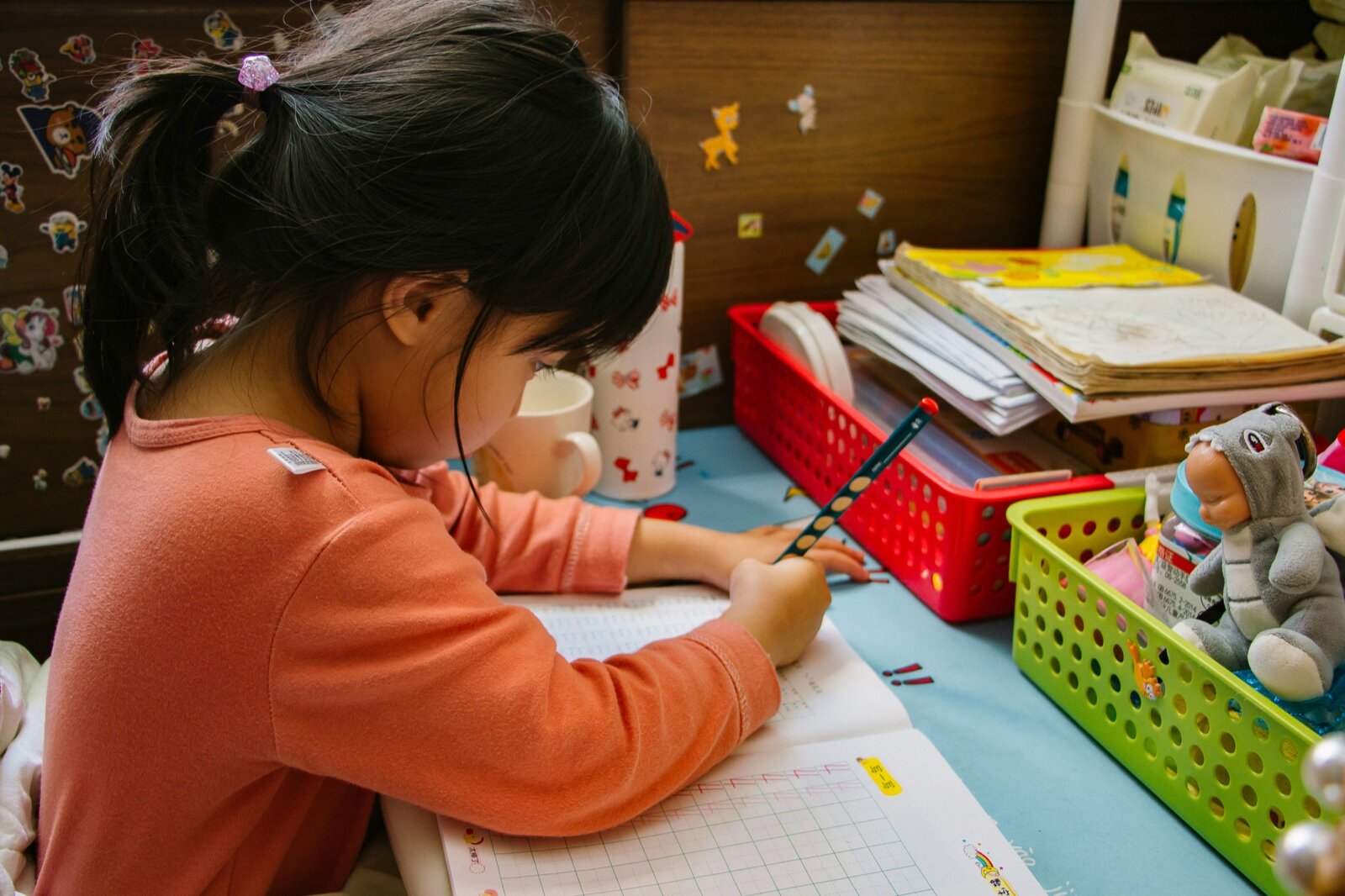
- Holds a pencil or crayon with a functional grip (not necessarily a perfect tripod grip)
- Draws basic shapes — circles, lines, and attempts at crosses or squares
- Uses scissors to cut along a simple line
- Buttons, zips, and snaps clothing — not perfectly, but with effort
- Puts on shoes and a jacket independently
- Runs, jumps, and climbs with coordination
- Uses the restroom independently — including hand-washing
- Opens their own lunch containers and manages a water bottle
Fine motor skills like pencil grip and scissor use develop with practice. If your child hasn’t had much exposure to these activities, a few weeks of regular practice can make a noticeable difference.
What If My Child Isn’t There Yet?
First, take a breath. Very few children check every box on a readiness checklist — and that’s completely normal. Development isn’t a race, and children who enter kindergarten with some gaps almost always catch up when they have the right support.
Here’s what you can do:
- Practice at home. Most of these skills can be built into everyday routines. Count the stairs as you climb them. Let your child help sort laundry by color. Read together every day.
- Talk to your child’s pediatrician if you have concerns about speech, motor development, or behavior. Early support makes a big difference.
- Consider a small-group program. Structured settings can help children build confidence — especially with social skills that are hard to practice at home.
If you’d like to see what that looks like, schedule a visit — happy to chat about whether it’s a good fit.
Every child is on their own timeline. The fact that you’re reading this article and thinking about your child’s readiness means you’re already doing something right. Trust your instincts, celebrate what your child can do, and focus on the areas where a little practice could help them feel confident walking into that kindergarten classroom.